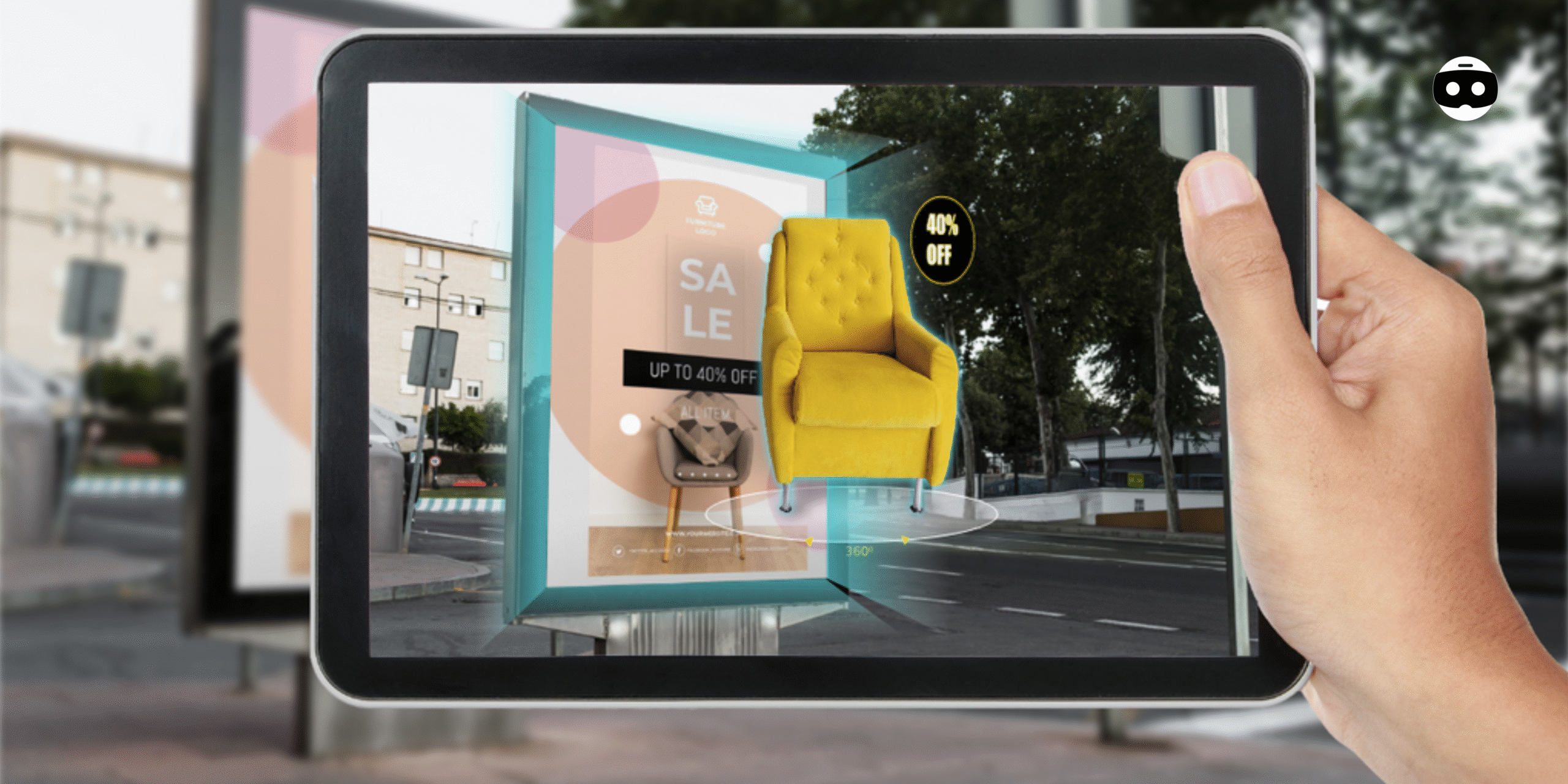
In today’s digital-first world, brands are constantly looking for new ways to stand out, engage customers, and deliver meaningful experiences. Augmented Reality (AR) has quickly moved from being just “cool tech” to becoming a powerful tool that shapes how people shop, learn, explore, and connect with brands. Whether it’s Fashion AR, Education AR, or Product AR, this technology has become a strategic pillar for brands aiming to stay relevant and future-ready.
So, where exactly does AR fit into a brand’s digital strategy? Let’s explore how businesses can weave AR services into their journey—from customer engagement to retention and brand loyalty.
1. AR Enhances Customer Experience at Every Touchpoint
The heart of any digital strategy is customer experience. AR brings that experience to life.
Instead of just showing a picture or video, brands can use AR services to create dynamic, interactive, and 3D experiences. For example:
- Fashion brands use Fashion AR for virtual try-ons, helping customers see how outfits look on them before purchasing.
- Home décor brands let users place virtual furniture in their rooms.
- Beauty brands offer AR makeup trials.
These immersive experiences reduce confusion, improve confidence, and make interactions fun. This directly leads to higher customer satisfaction and better conversions.
2. AR Improves Engagement and Keeps Users on Your Platform Longer
Modern customers get bored quickly. A digital strategy without engaging content risks losing attention. AR solves that by turning passive browsing into active participation.
With Product AR, users can explore 3D product views, zoom in on details, watch animations, and understand how the product works. This level of engagement is unmatched by normal images or videos.
Longer engagement also signals value to search engines and increases conversion rates—both critical parts of a strong digital strategy.
3. AR Builds Stronger Emotional Connections with Your Brand
Storytelling is a big part of branding. AR makes storytelling more powerful.
Imagine a fashion brand letting users scan a T-shirt to unlock behind-the-scenes footage or interactive designs through Fashion AR. Or an educational brand offering interactive science experiments through Education AR.
These experiences spark emotions—surprise, curiosity, excitement—which strengthen brand recall and loyalty. When customers remember how your brand made them feel, they come back.
4. AR Boosts Sales by Making Decisions Easy
A good digital strategy should guide customers smoothly from discovery to purchase. AR bridges the gap between imagination and reality.
Here’s how AR influences sales:
- Virtual try-ons reduce returns.
- Product visualizers help customers make faster decisions.
- Interactive content increases trust in high-value items.
Whether you’re selling clothes, electronics, furniture, beauty products, or learning tools, AR services make buying easier and more accurate.
5. AR Helps Brands Stand Out in a Crowded Market
Every brand is online. The competition is intense. AR gives brands a competitive edge.
Brands using Fashion AR, Product AR, and Education AR appear more innovative and customer-centric. They attract attention on social media, generate user-generated content, and position themselves as trendsetters.
This differentiation is priceless and becomes a core strength of your digital strategy.
6. AR Supports Omnichannel Marketing Strategies
Customers interact with brands across multiple platforms—websites, apps, stores, social media, and advertisements. AR elevates each of these channels.
Here’s how:
- Website: Product AR visualizers
- Mobile app: Interactive AR experiences
- In-store: AR mirrors and AR product guides
- Social media: AR filters and effects for virality
- Ads: AR-powered campaigns for high interaction
By connecting these touchpoints, brands deliver a seamless digital journey, boosting engagement and trust.
7. AR Makes Learning More Effective in the Education Sector
For education brands, Education AR is becoming a game-changer. Instead of reading long paragraphs or watching flat videos, students can interact with 3D models, animations, and real-world simulations.
Examples include:
- AR solar system models
- AR anatomy lessons
- AR-enabled textbooks
- Skill-based training simulations
This makes learning more immersive, memorable, and effective, helping educational brands deliver value beyond traditional methods.
8. AR Provides Powerful Analytics for Better Decision-Making
A strong digital strategy depends on data, and AR delivers detailed insights such as:
- User interaction patterns
- Popular product areas
- Engagement time
- Conversion behavior
- Drop-off points
With this data, brands can refine experiences, improve product presentation, and design smarter marketing campaigns.
9. AR Future-Proofs Your Brand
Technology evolves fast, and brands that don’t adapt will fall behind. Integrating AR today positions your brand for future innovations like:
- Mixed reality experiences
- AI-powered personalized AR
- Virtual product shopping
- AR-based branding and identity
Investing in AR now helps brands stay ahead of trends and customer expectations.
Conclusion
AR is no longer optional—it’s a powerful pillar of a modern digital strategy. Whether you’re using Fashion AR to redefine shopping, Product AR to simplify decision-making, or Education AR to make learning immersive, AR offers endless possibilities. It improves customer experience, boosts engagement, increases sales, strengthens loyalty, and sets your brand apart in a competitive world.
By embracing AR services today, brands unlock a future where digital interactions feel real, personalized, and unforgettable.