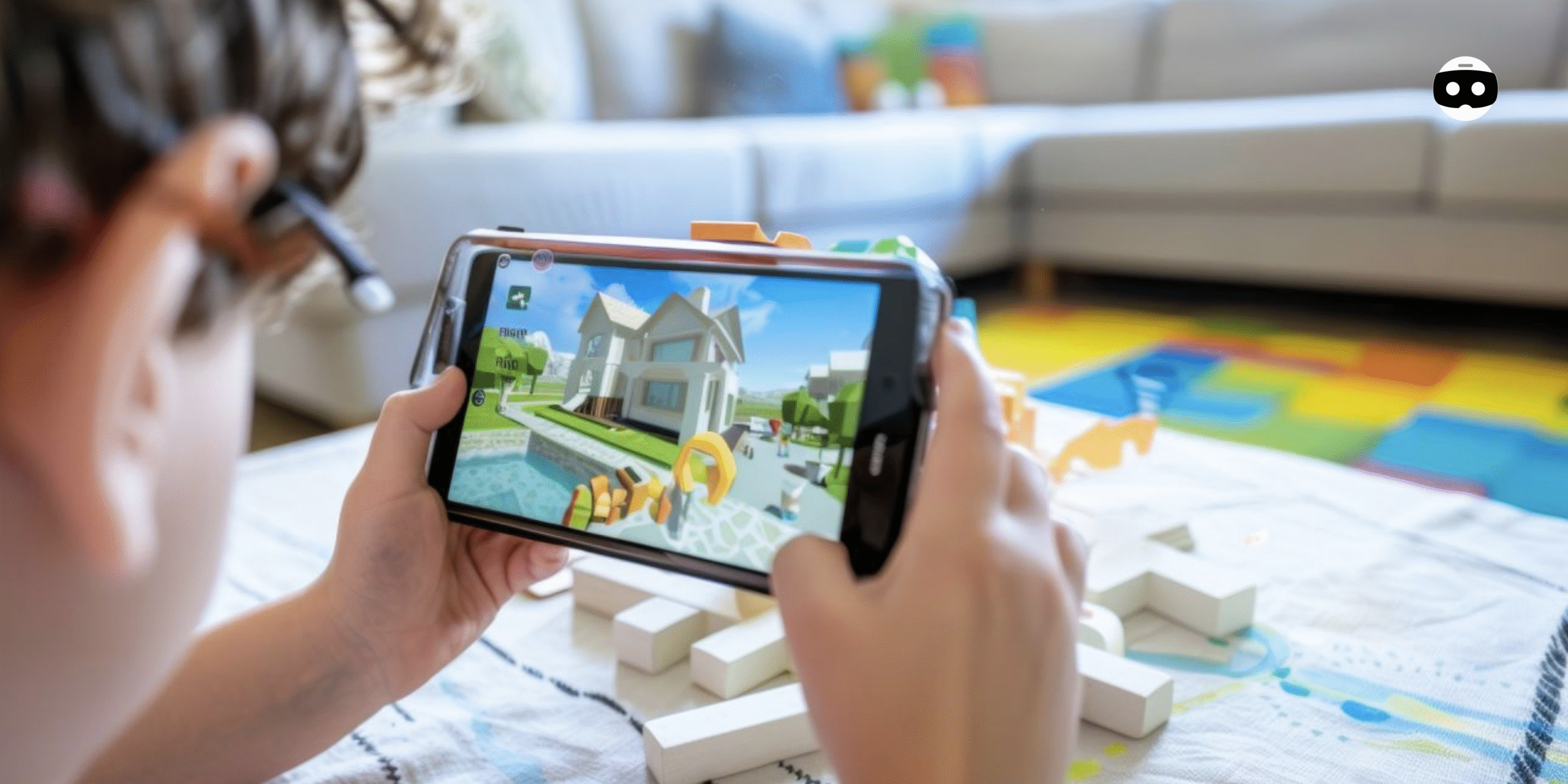
Augmented reality (AR) is no longer just a futuristic idea—it’s a technology reshaping the way we interact with digital content. From shopping to gaming to learning, AR services are transforming experiences, making them more engaging, interactive, and personalized. With innovations like AR fashion and Product AR, industries are finding new ways to connect with users and elevate their digital presence.
AR in Fashion
AR fashion is revolutionizing how people shop and interact with clothing and accessories. Virtual try-on features allow customers to see how a dress, jacket, or pair of shoes will look on them without visiting a store. This not only enhances convenience but also boosts confidence in purchasing decisions. Retailers can showcase full collections through immersive AR experiences, allowing users to mix and match outfits or accessories digitally. By integrating AR services into their platforms, fashion brands can reduce returns, increase engagement, and provide a memorable shopping experience.
AR in Retail
Beyond fashion, AR services are reshaping the entire retail experience. Product AR allows customers to visualize furniture, home decor, or electronics in their own space before buying. For example, a user can see how a sofa fits in their living room or how a lamp complements their interior design—all through their smartphone or tablet. These interactive experiences reduce uncertainty, increase satisfaction, and drive sales. AR also helps retailers offer personalized promotions and interactive campaigns, turning shopping into an engaging and entertaining activity.
AR in Gaming
Gaming has always been about immersion, and AR takes it to a whole new level. AR services bring virtual characters, objects, and environments into the real world, blending digital and physical experiences seamlessly. Games like Pokémon GO showed how AR can create interactive, location-based experiences that encourage exploration and social interaction. With AR, players can engage with their surroundings in new ways, solving challenges, completing quests, or interacting with other players—all in real-time. This level of engagement enhances user retention and makes gaming more dynamic and fun.
AR in Education
Education is another field benefiting immensely from AR services. Product AR and interactive AR experiences can transform traditional learning into a highly engaging and immersive process. Students can explore 3D models of historical sites, biological systems, or complex machinery directly in their environment, making abstract concepts easier to understand. AR also encourages hands-on learning and experimentation without the risks or costs associated with physical materials. By making learning interactive and visually stimulating, AR enhances comprehension, retention, and motivation among students.
Benefits of AR Services Across Industries
- Enhanced Engagement: AR turns passive experiences into interactive ones, encouraging users to actively participate.
- Personalization: From AR fashion to Product AR, users can customize their experiences to meet their preferences.
- Reduced Returns and Errors: In retail and fashion, visualizing products in real life reduces the chances of dissatisfaction.
- Innovation and Differentiation: Companies using AR services demonstrate technological leadership, attracting tech-savvy customers.
- Entertainment and Fun: AR adds an element of play and creativity, making interactions more memorable and enjoyable.
Conclusion
AR services are redefining the digital landscape across multiple industries. AR fashion enables virtual try-ons, Product AR transforms retail visualization, gaming becomes immersive and interactive, and education turns engaging and hands-on. By bridging the gap between the virtual and physical worlds, AR not only enhances experiences but also drives engagement, satisfaction, and innovation. As technology continues to evolve, the applications of AR services will only expand, offering more creative and impactful ways for users to interact with the world around them.